
From workshop to tested story
November 17, 2026 by Andrei Tompea

A workshop ends. The same day, its decisions are documented, the open questions are flagged, and the work is on its way to becoming stories a developer can build and a tester can verify. Claude does the drafting. A business analyst makes every call that matters.
The setting is a long-running client engagement where our team owns a customer-facing portal. Business analysis there is translation work: conversations into decisions, decisions into epics, epics into stories, stories into something that can be built and checked.
Each of those steps used to be manual, and each one leaked a little detail. A point agreed in a workshop missed the notes. A constraint in the notes never reached the epic. An edge case everyone knew about was missing from the acceptance criteria and surfaced only in testing.
So the question was never whether AI could help write a ticket. It was whether one assistant could carry the work from the first workshop to a tested story, with the analyst deciding at every step.
What we built
The setup is a set of shared skills: reusable instructions that encode how the team discovers, writes, reviews and tests. Every analyst and developer works from the same playbook, so the output reads the same whoever produced it.
Those skills cover six stages, from the first workshop to the final test.
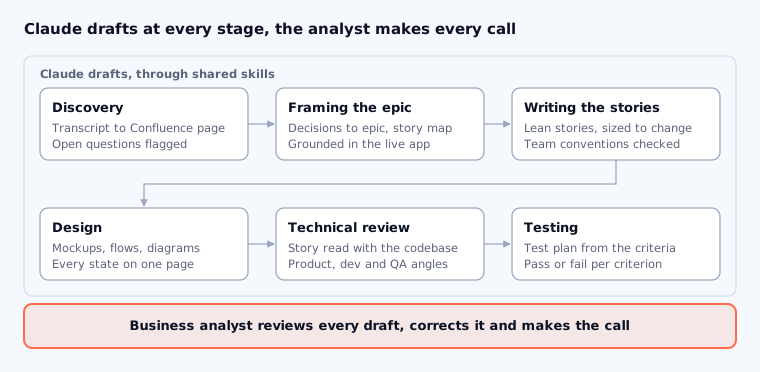
The life of one story
Discovery. After a workshop with the business, Claude takes the meeting transcript and drafts a Confluence page: the points agreed, the decisions made and why, actions with owners, and open questions.
The open questions matter most. Anything left unresolved is flagged for the business to decide, never quietly assumed. The analyst corrects the draft, and the time saved goes into checking that the decisions are right.
Framing the epic. Claude turns the documented decisions into an epic: the problem, the scope, the risks and a first story map. Because it can research the existing application, the epic reflects how the product works today, not a blank-slate wish list.
Writing the stories. The epic breaks down into lean user stories with disciplined acceptance criteria. Lean is deliberate: the output scales with the change. A label change gets two acceptance criteria, not nine. A new workflow gets the depth it needs.
Team conventions are built into how every story is written, so each one is checked by default:
- Permissions and role-based access.
- Empty states.
- Feature flags.
- Business terms in user-facing copy, not backend terminology.
- Open questions flagged on the ticket rather than answered by assumption.
The backlog reads as if one person wrote it, even when several did.
Design. Stakeholders react faster to something they can see than to a paragraph of acceptance criteria. For any feature with meaningful UI or workflow changes, Claude generates interactive mockups themed to the product's design system, user flow maps that set the current and proposed journey side by side, and diagrams for processes, decision trees and system relationships.
A single mockup page shows every relevant state (populated, empty, loading, error), annotated with role-gated actions, empty-state copy, error handling and the MVP boundary. When ideas compete, the options sit side by side and the business chooses.
Technical review. Before sprint planning, developers run each story through Claude skills that read it alongside the codebase from three angles: product, development and QA. Gaps, unhandled states and hidden dependencies surface in refinement, while they are still cheap to fix.
The analyst takes the open points back to the business and updates the story before the sprint starts. Stories arrive more complete, and developers spend less time chasing answers mid-build.
Testing. Manual testing stays. On top of it, Claude builds a test plan from the story's acceptance criteria, runs it in a dev environment through the Claude in Chrome extension, and reports pass or fail per criterion, with screenshots for every failure. The check follows exactly what the story promised, and retesting after a fix is quick.
Investigating reports. The same approach works when something is reported as not working. A user complaint, a support email or a screenshot goes to Claude, which tries to reproduce the issue in the application and comes back with one of three answers:
- A real bug, documented clearly enough for engineering to act on.
- User error, with a note on what the user needs to do differently.
- Working as designed, with the reasoning behind it.
The team starts from a clear answer instead of a vague complaint, and spends its time on the cases that need judgement.
What we learned
Skills beat prompts. A clever one-off prompt helps once. A convention written into a shared skill applies to every story, every time, whoever runs it.
The analyst stays in the loop. Claude drafts; the analyst decides. Every output is reviewed, and anything uncertain becomes an open question, never a guess. The goal is better analysis, not analysis without an analyst.
Right-size everything. AI makes it easy to produce more: more acceptance criteria, more documentation, more words. More is not the goal. Small fixes stay small, and big features get the depth they need.
Where the time goes
Using Claude across discovery, design, delivery and testing has not replaced the business analyst. It has moved where the analyst's time goes: less of it writing tickets, more of it understanding the business.
If your team is bringing AI into analysis and delivery and wants it to hold up beyond the pilot, we would be glad to compare notes.
More Insights
We write about what we build, how we think, and the decisions that shape real digital products.

One orchestrator, many workers
How one orchestrator session and one worker per repository carry cross-service features from ticket to verified deployment, with people deciding at a few fixed points.

From broker documents to matching-ready data
How we turn broker documents of any layout into schema-shaped, matching-ready data, and let reviewers teach the system new document types in minutes, with no model training.

Reshape Digital at London Tech Week
From healthcare to venture capital, we met with industry leaders across London Tech Week to explore AI, innovation, and the future of digital transformation. See what we learned, and where we’re heading next.

Reshape Digital at the London AI Summit
At the London AI Summit, we explored the enterprise future of generative AI, from data governance to fast-impact use cases in HR and customer service. Get our key takeaways from the front lines of AI adoption.
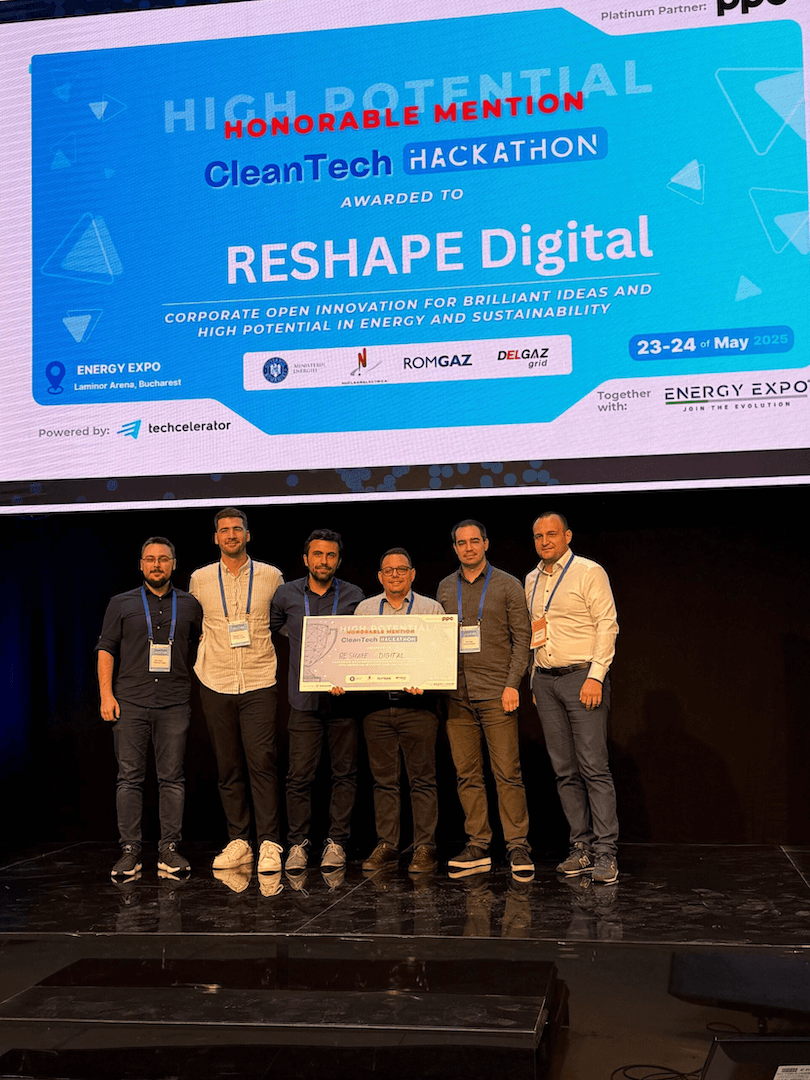
PoC for AI-Powered Drone Solution for Smarter Energy Grid Inspection | Insights – Reshape Digital
At the Energy Expo Cleantech Hackathon in Bucharest, Reshape Digital unveiled an AI-powered autonomous drone platform that redefines power grid inspection. The innovative solution earned a Special Mention for its impact on energy and sustainability.
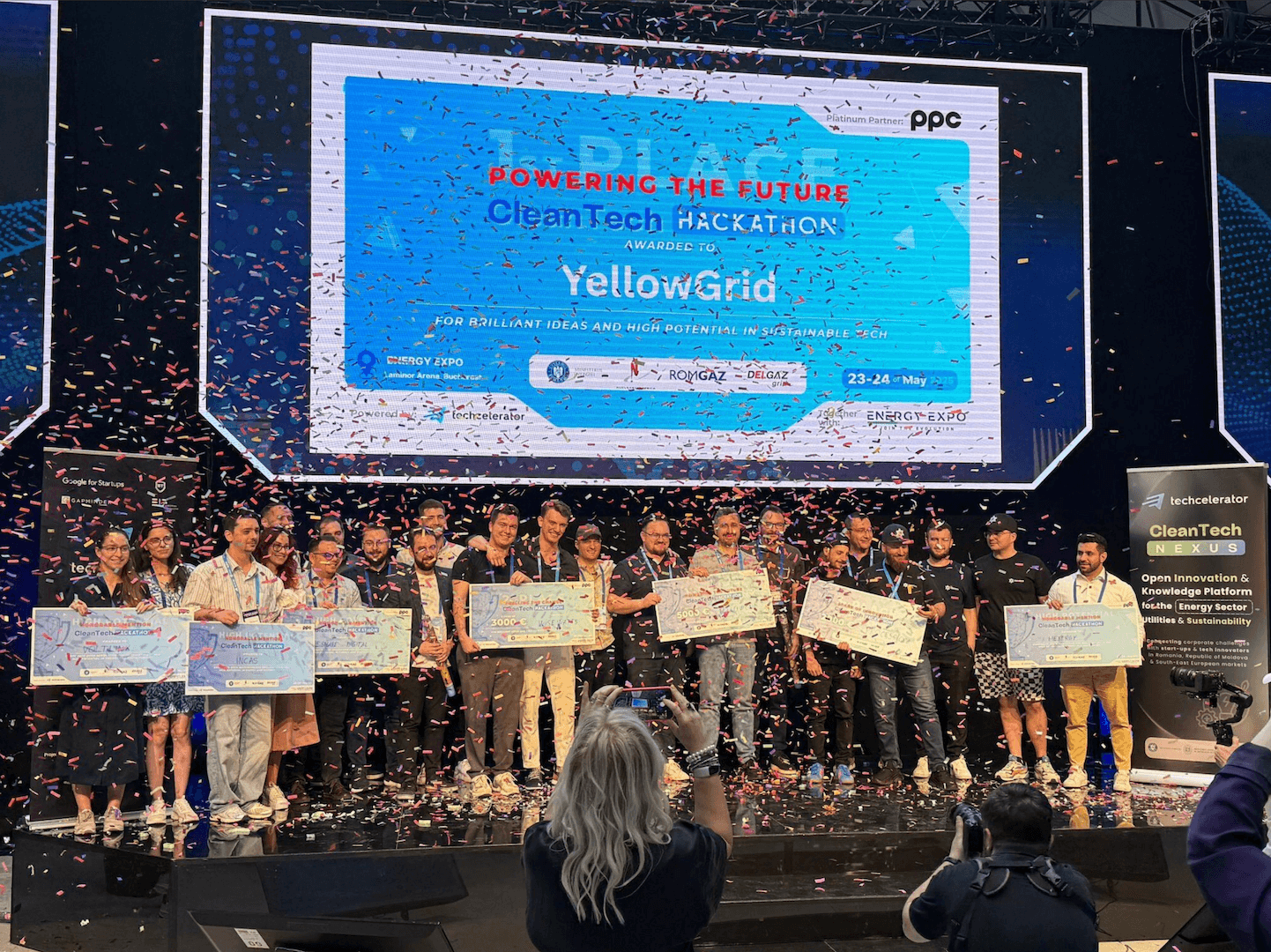
Tokenizing Renewable Energy for a More Accessible Green Future | Insights – Reshape Digital
GreenVestX is a blockchain-based platform introduced at the Energy Expo Hackathon, designed to democratize renewable energy investments through tokenization. It empowers individuals to co-own and benefit from green energy.

The Role of Vector Database in Modern Data Management | Insights – Reshape Digital
It’s 2024 and vector databases are stepping out of the shadows and into the spotlight, marking a significant technological breakthrough. But what exactly is a Vector Database and why would anyone need it?
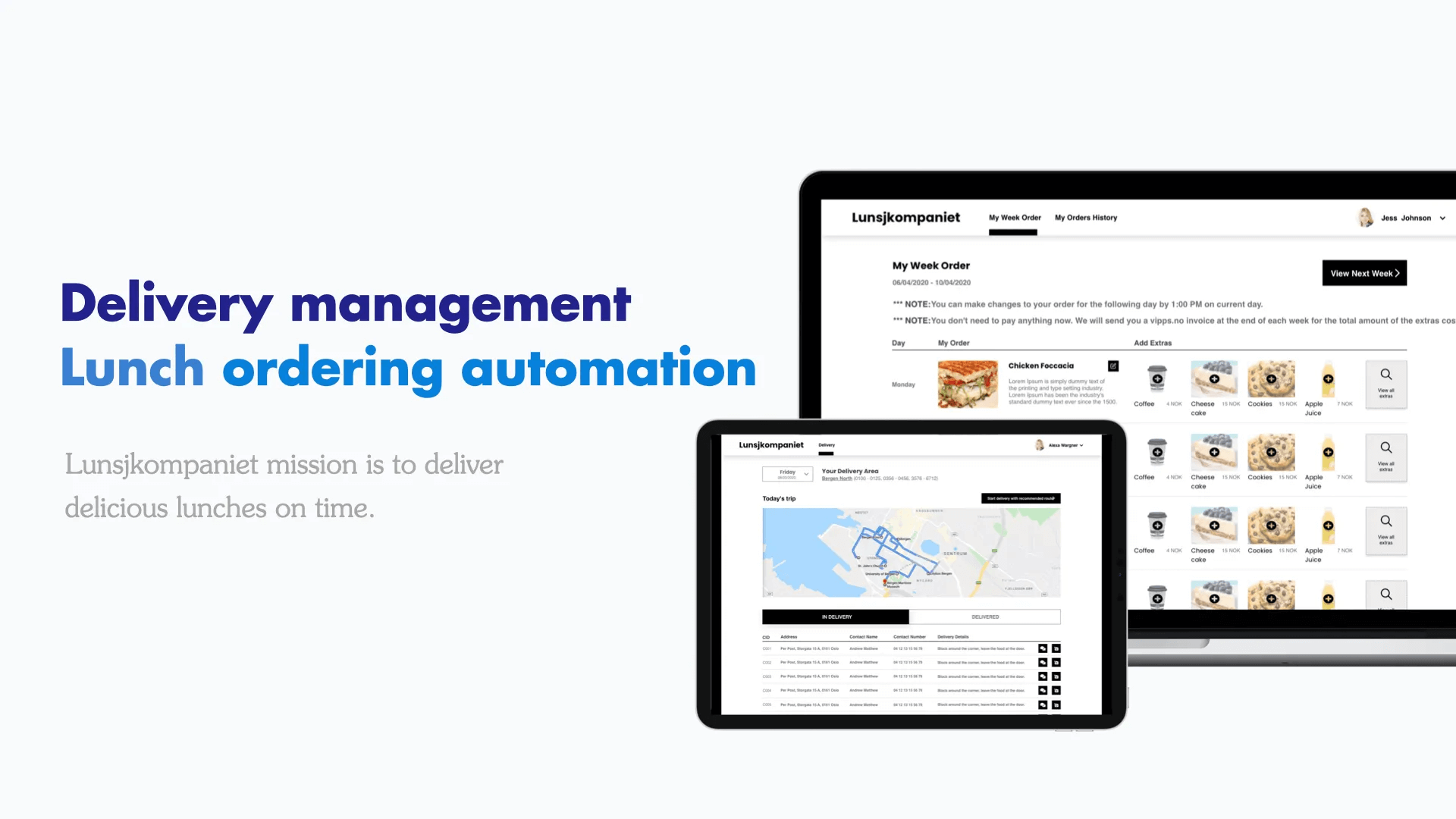
Three Years of Reshape Digital | Insights – Reshape Digital
Paul Ionescu reflects on the three-year journey of Reshape Digital, from its humble beginnings with the first project, Lunsjkompaniet, to overcoming challenges like the pandemic and expanding into a thriving community of twenty colleagues.

How to develop a .NET Core 3.1 API secured with Identity Server 4 — Part 2 | Insights – Reshape Digital
Creating the API with Swagger integration and securing it using the Identity Server built in Part 1. Learn to configure authentication, authorization, and token-based access for your endpoints with real-world examples.

How to develop a .NET Core 3.1 API secured with Identity Server 4 — Part 1 | Insights – Reshape Digital
Dive into developing a .NET Core 3.1 API with Swagger, secured by Identity Server 4. This first part focuses on setting up the Identity Server project, including configuration and operational stores with SQL Server.
7 Essential things to think about when building an API | Insights – Reshape Digital
Security, architecture, testing, logging, documenting, versioning, caching, these seven components are critical for building a sustainable and scalable API. Here’s what you should consider from the very beginning.

Have you ever wondered how to make your Angular application extensible? | Insights – Reshape Digital
Learn how to build a plugin-based Angular architecture where external modules can be loaded dynamically at runtime, enabling feature decoupling, faster deployments, and even third-party extensibility.